My Identity
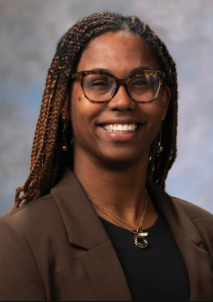
As an Afro-Latina born in Puerto Rico to Dominican parents, moving to the United States to pursue graduate education was both challenging and enriching.
While adapting to a new environment, I had the opportunity to work in schools where many students had their own migration journeys. These shared experiences created opportunities for connection and understanding, leading me to reflect on the intersections of immigration, Afro-Latinidad, and education in the United States, particularly in the Midwest.
Yet, I found that much of the literature continued to homogenize Latinx, Latine, Latino populations under the umbrella of “Latinx” and Black populations as predominantly, if not exclusively, African American. This often invisibilized the identities of Afro-Latinx, Afro-Latine, and Black Latino individuals. In addition, my own experiences highlighted the erasure of this identity. Moving to the United States showed me that many people were unaware that Afro-Latinxs exist. I have had Uber drivers tell me they had never met an Afro-Latina before. I have also experienced situations in which I felt compelled to prove my Latinidad to other Latinos by speaking Spanish, among other hurdles I encountered in order to be recognized as a Latina.
Experiences like these led me to a simple realization: something needed to be done.
Training
Through my academic training, I became increasingly interested in how Afro-Latinx youth navigate their racial and ethnic identities within school settings, as well as the impact of these experiences on their mental health. Montalvo (2009) highlights the importance of clinicians helping children navigate racial markers and identities, noting that youth can overcome the labels society places on them when their feelings and self-perceptions are recognized and validated. I would add that these identities should not only be validated but also celebrated, something I intentionally sought to do in my own work.
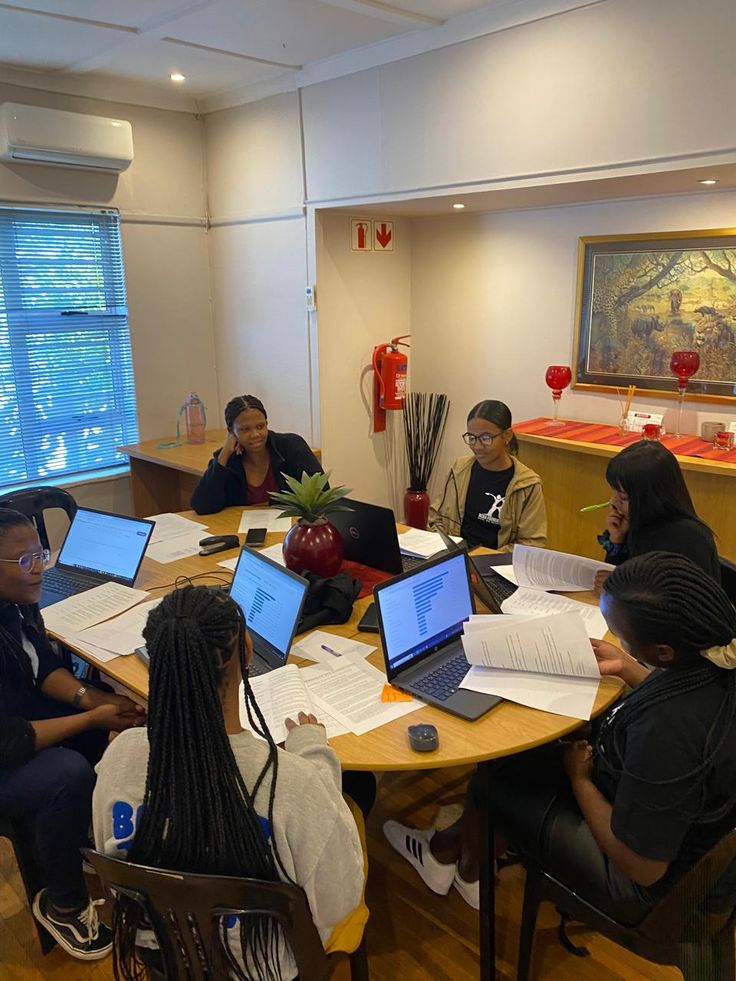
In my observations and research, I noticed subtle but meaningful ways that Afro-Latinidad and Latinidad were discussed, acknowledged, and at times overlooked within predominantly Latinx educational spaces. In the Sista Circle, pláticas and testimonios group for immigrant Afro-Latina adolescent girls that I facilitated for my dissertation, participants shared powerful stories about the meaning of being both Black and Latina. They discussed navigating beauty standards, experiences with colorism, and the challenges of finding representation that reflected their identities amongst other important topics.
Listening to their stories reinforced the importance of creating spaces where Afro-Latina youth can openly discuss race, culture, and belonging. I encouraged these conversations because I saw how affirming it was for the girls to hear that their experiences were shared by others.
These discussions fostered a sense of community and helped validate identities that are often marginalized within broader conversations about Latinidad.
Reflection
My experiences as an Afro-Latina researcher and school psychologist have taught me that schools are not only places of academic learning but also important settings for identity development. When schools recognize and celebrate the diversity within Latinidad, including Afro-Latinidad, students are better positioned to develop positive self-images and a stronger sense of belonging.
As we celebrate Hispanic Heritage Month, I am reminded that honoring Afro-Latinx experiences means making space for stories, voices, and histories that reflect the richness and diversity of our communities. By acknowledging and uplifting these experiences, we create environments where all students can feel seen, valued, and empowered to embrace the fullness of their identities.
References
Montalvo, Frank. (2009). Ethnoracial Gap in Clinical Practice with Latinos. Clinical Social
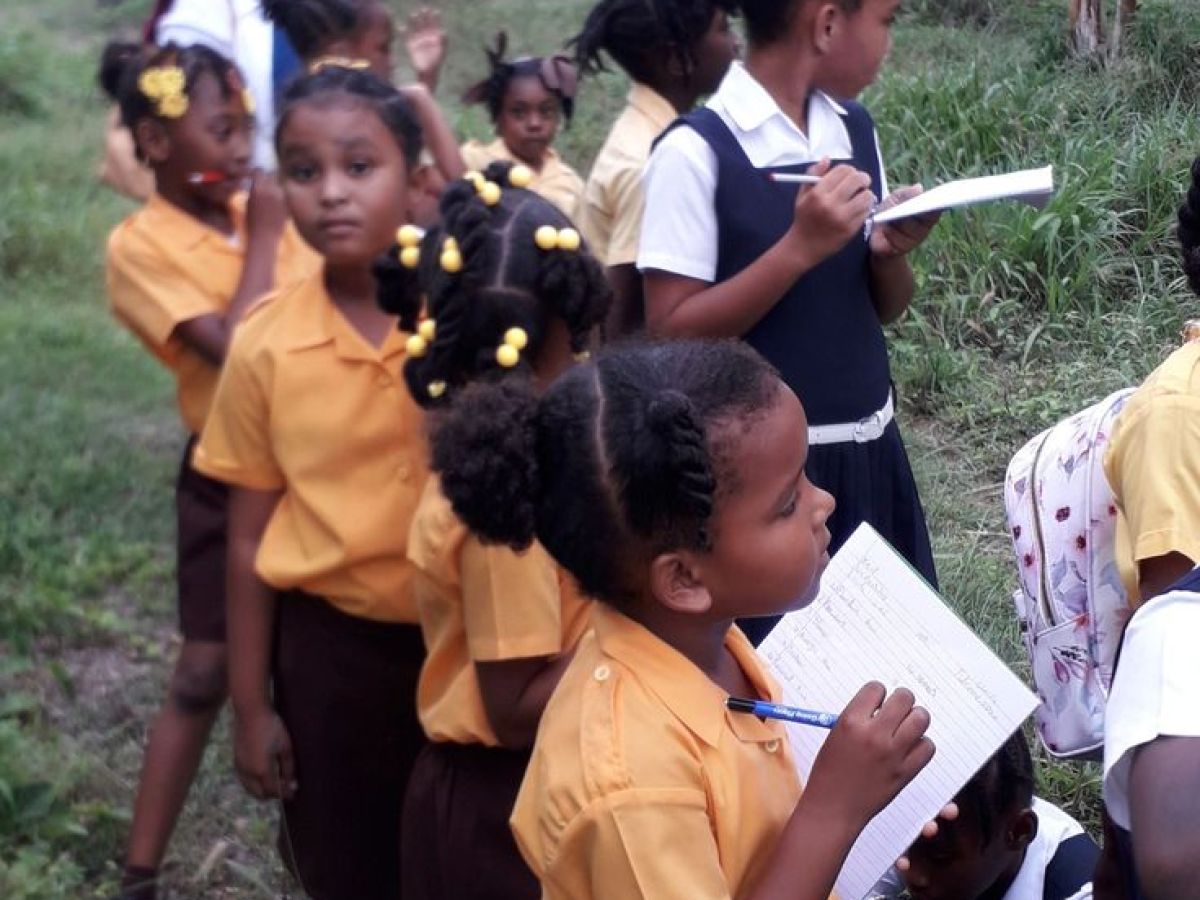
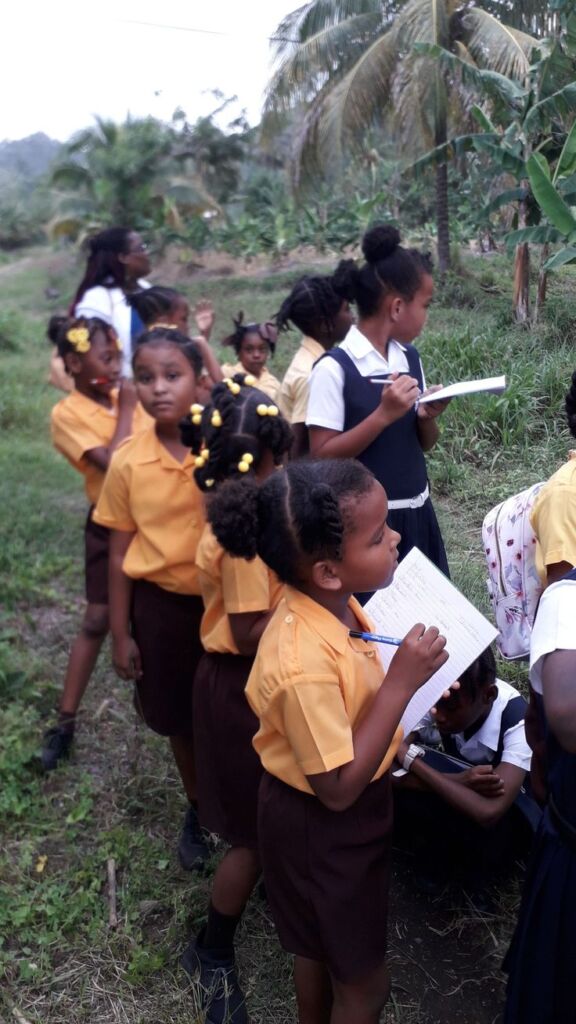
Pweety Z. (n.d.). [Image depicting Afro-Latina identity] [Pinterest post]. Pinterest. https://www.pinterest.com/pin/1140607043115919673/
Setranella Young. (n.d.). [Image depicting Afro-Latina identity]. Pinterest. https://www.pinterest.com/pin/430727151866547443/
Work Journal. 37. 277-286. 10.1007/s10615-009-0241-1.