
Who Holds the Woman Who Holds Everything Together?
I am tired.
Not the kind of tired that a good night's sleep will fix. I am talking about the exhaustion that settles somewhere between your spirit and your emotions. The kind you carry so well that nobody notices because you continue showing up, meeting deadlines, answering calls, and taking care of everyone else.
That has been my 2026.
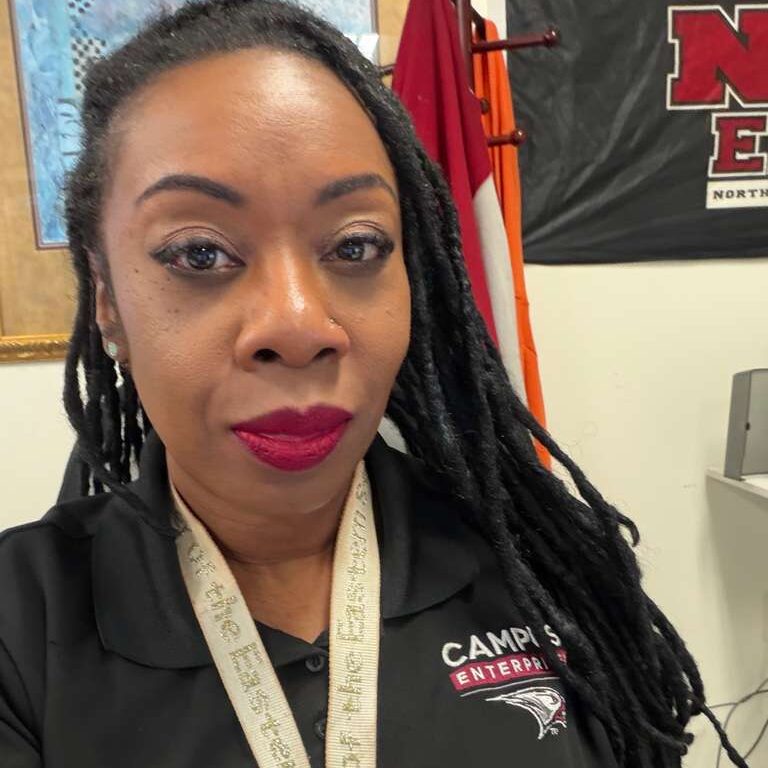
At 48, I am a wife of 27 years, a mother of two adult children, a full-time employee, and a college student pursuing my Bachelor of Science in Behavioral and Social Sciences at North Carolina Central University. God willing, I will graduate in May 2027.
Throughout my life, I have been the dependable one. The person people call when something needs handling, organizing, correcting, or resolving.
I describe myself as a social reclaimator, someone drawn to restoring what has been overlooked, disconnected, or dismissed. Whether through professional service, community advocacy, or personal relationships, helping others reclaim their voices and dignity has become part of my identity.
But this year has forced me to confront an uncomfortable question.
What happens when the woman who is always restoring everybody else is quietly falling apart herself?
Grief Does Not Wait
This year, I experienced the loss of my uncle, my cousin, and other relatives. Each loss reminded me that growing older also means watching the people who shaped our childhoods and family histories gradually leave us.
Sometimes we are not simply grieving a person. We are grieving familiar voices, memories, traditions, and versions of ourselves that existed when those people were alive.
Yet life continues. Bills, assignments, meetings, responsibilities, and people still need us. So we keep going.
I have questioned whether I have genuinely allowed myself to grieve or simply become skilled at functioning through grief.
There is a difference.
Grief does not disappear because our calendars remain full. Sometimes it waits until everything becomes quiet enough for us to acknowledge what we have been carrying.

The Burden of Being Strong
Across the African diaspora, Black women have inherited extraordinary examples of strength and resilience.
I come from women who survived difficult circumstances, stretched limited resources, raised families, maintained their faith, and somehow made a way.
I honor those women. But I also wonder how many were exhausted.
How many cried privately?
How many sacrificed their emotional well-being because survival demanded their attention?
How many never experienced the freedom to consider what they wanted beyond their responsibilities?
The Strong Black Woman identity is complicated. Strength has sustained generations, but it has also become an expectation that leaves little room for vulnerability.
Our experiences across the diaspora differ according to culture, geography, history, and circumstance. Still, many of us recognize the pressure to remain capable even when we are struggling.
I am a woman of faith. Prayer and spiritual restoration remain important to me.But I am learning that I can love God and still need emotional support. I can have faith and still feel overwhelmed.
I can be grateful and still be grieving.
My spirituality should never require me to deny my humanity.
The Slow Erosion Nobody Sees
Emotional exhaustion does not always resemble a dramatic breakdown. Sometimes it looks like a woman who continues accomplishing everything expected of her while quietly losing pieces of herself. She still works, studies, serves, supports her family, and answers everyone's calls.
From the outside, she appears fine.
Inside, she is depleted.
I recognize that woman because I have been her.
My studies have introduced me to concepts such as emotional labor, role strain, and the influence of social expectations on well-being. Yet this year, those concepts became more than academic discussions.
I was living them.
There is irony in studying human behavior and wellness while struggling to prioritize my own.
I began questioning whether my willingness to help others had become a convenient way to avoid addressing my own needs.
Who am I when nobody needs anything from me?
Can I simply exist without feeling guilty about what remains undone? Those questions have not been easy to answer.
Unmasking, Again
Earlier this year, I published The Unmasking through PsychDiscourse, reflecting on identity, authenticity, and the different versions of ourselves we present to the world.
At the time, I did not realize how deeply that reflection would continue unfolding.
What happens when the mask is not something we intentionally wear?
What happens when being dependable, resourceful, and strong becomes so deeply ingrained that we no longer recognize the emotional cost?
The Unmasking challenged me to examine authenticity. This reflection challenges me to consider what authenticity requires when the identities we embrace begin consuming us.
I love being a wife, mother, student, advocate, and woman of faith. But I am more than what I provide.
I am more than the problems I solve.
And I am more than the responsibilities other people expect me to fulfill.
Perhaps unmasking is not simply revealing ourselves to others. Perhaps it begins with acknowledging the truths we have avoided confronting privately.
Black Girl Day Off: Beyond October 11
World Mental Health Day on October 10 and Black Girl Day Off on October 11 invite conversations about emotional wellness, rest, and the experiences of Black women.
But what happens on October 12 and every day thereafter? The emails return. Responsibilities resume. Everyone expects us to continue functioning as before.
A single day of rest cannot repair a life organized around constant emotional depletion. Real wellness may require boundaries, grief counseling, therapy, difficult conversations, shared responsibilities, and permission to disappoint people.
It also requires recognizing that some women cannot simply take a day off because of financial obligations, caregiving, or circumstances beyond their control.
Rest should not be another privilege determined by resources. For someone accustomed to reclaiming everything around her, accepting that not every problem requires my intervention has been difficult. But perhaps I was never meant to restore everything.
Perhaps I was also meant to preserve myself.
Who Holds Me?
As I approach another chapter of life, I am reconsidering how I define success. I want to enjoy my marriage, celebrate my children's growth, complete my degree, and continue serving my community without sacrificing my emotional well-being. I want to laugh more, create more, dance more, and experience peace without feeling obligated to earn it.
I am not writing from the other side of healing. I am writing from the middle of it. I am still grieving. Still learning boundaries. Still discovering how to accept support. I have spent years being a safe place for others to land.
Now I recognize that I deserve somewhere safe to land, too. I am still strong. But I am tired.
I am still capable. But I am grieving.
And I can no longer afford to disappear while caring for everyone else.
Perhaps the most radical act of reclamation I will ever undertake is learning to save some of me for me.